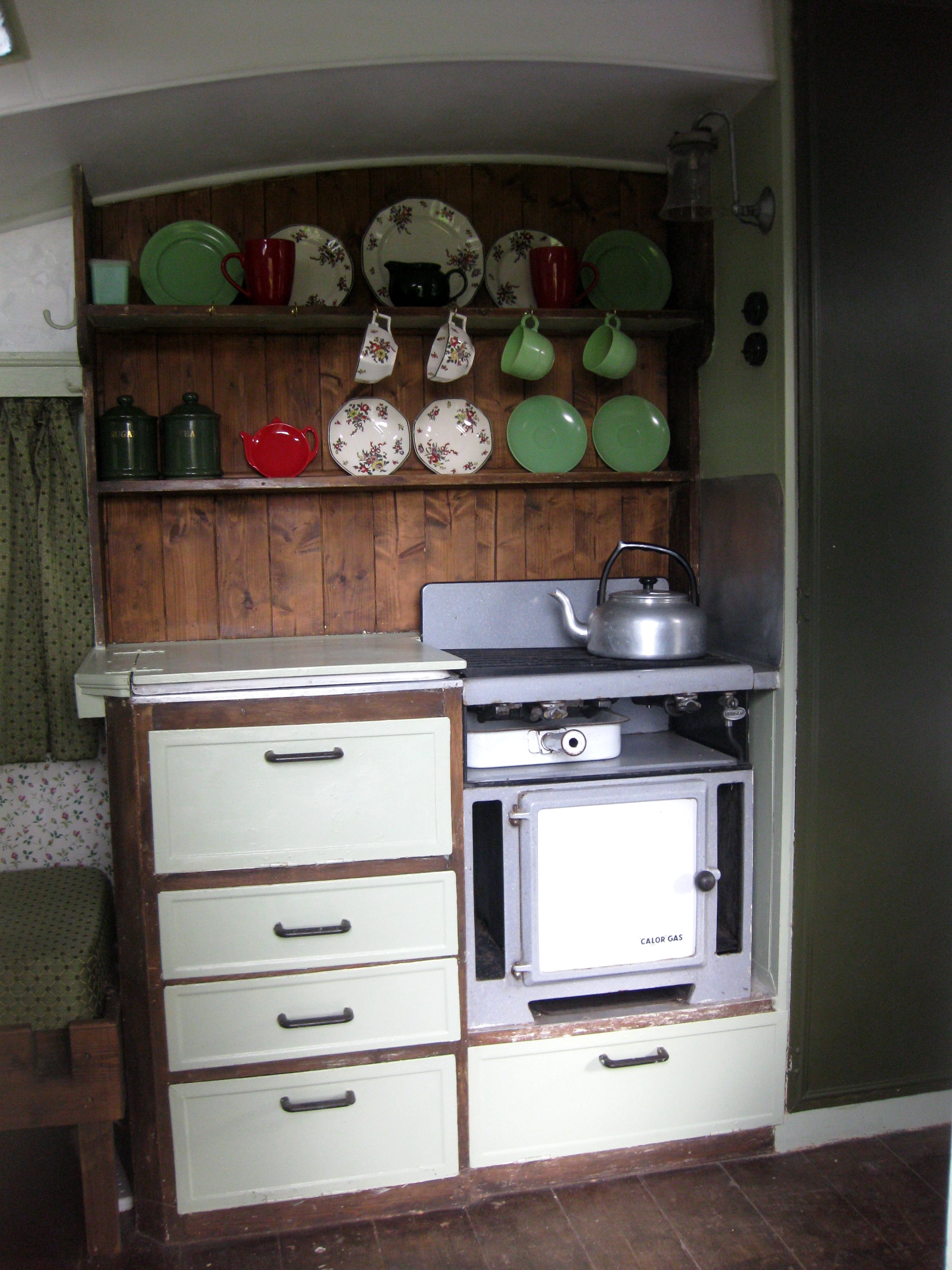
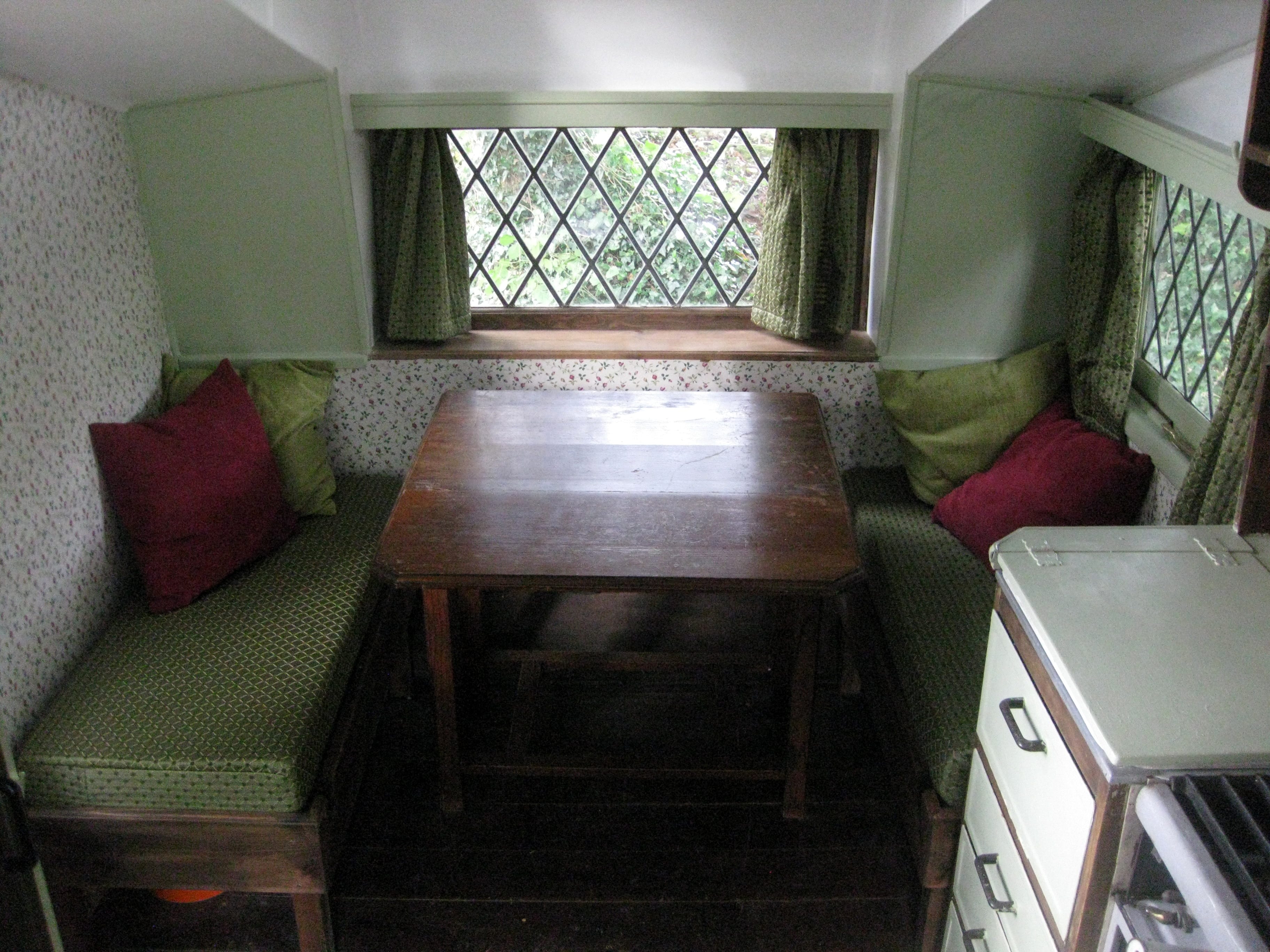
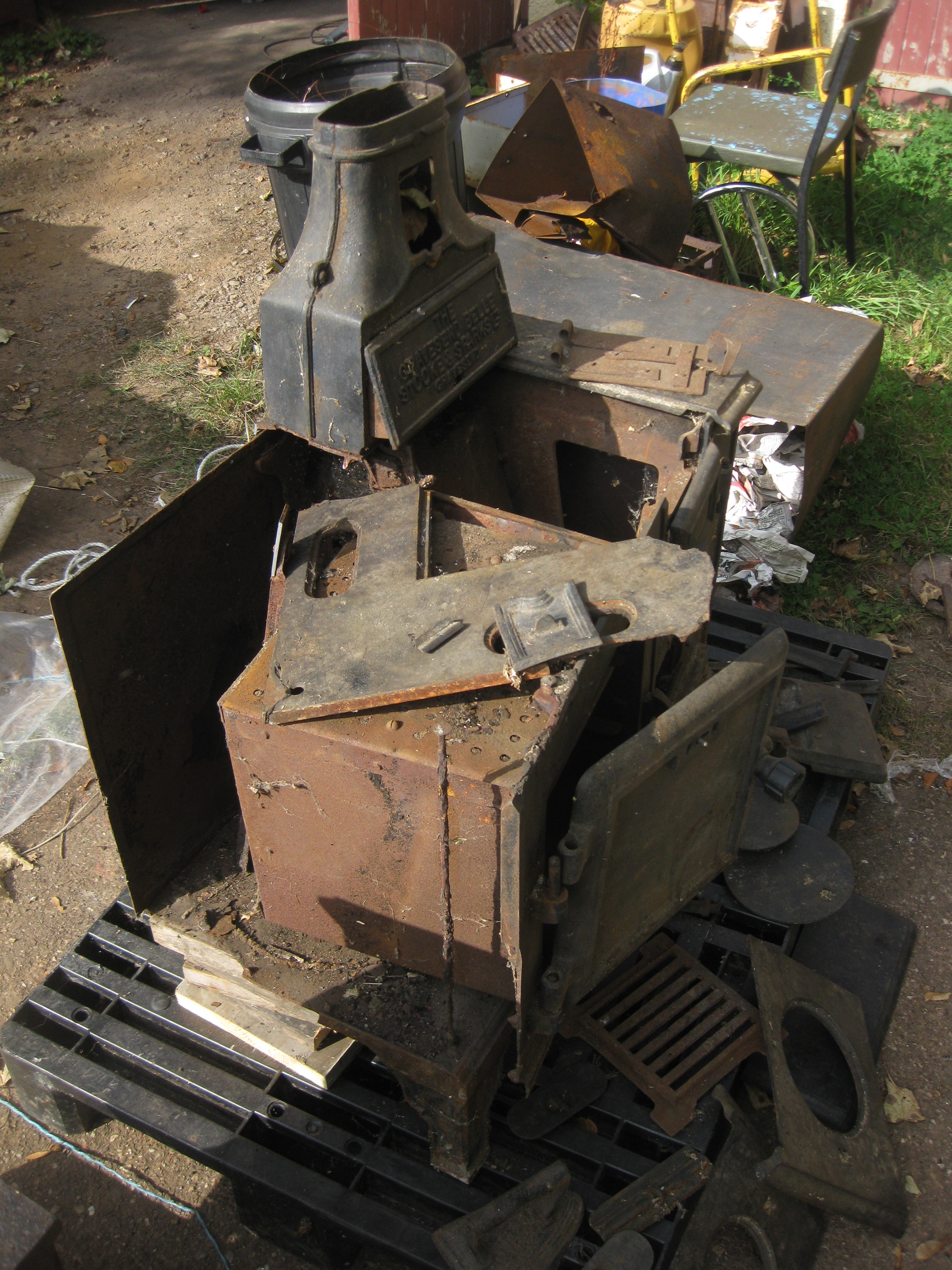
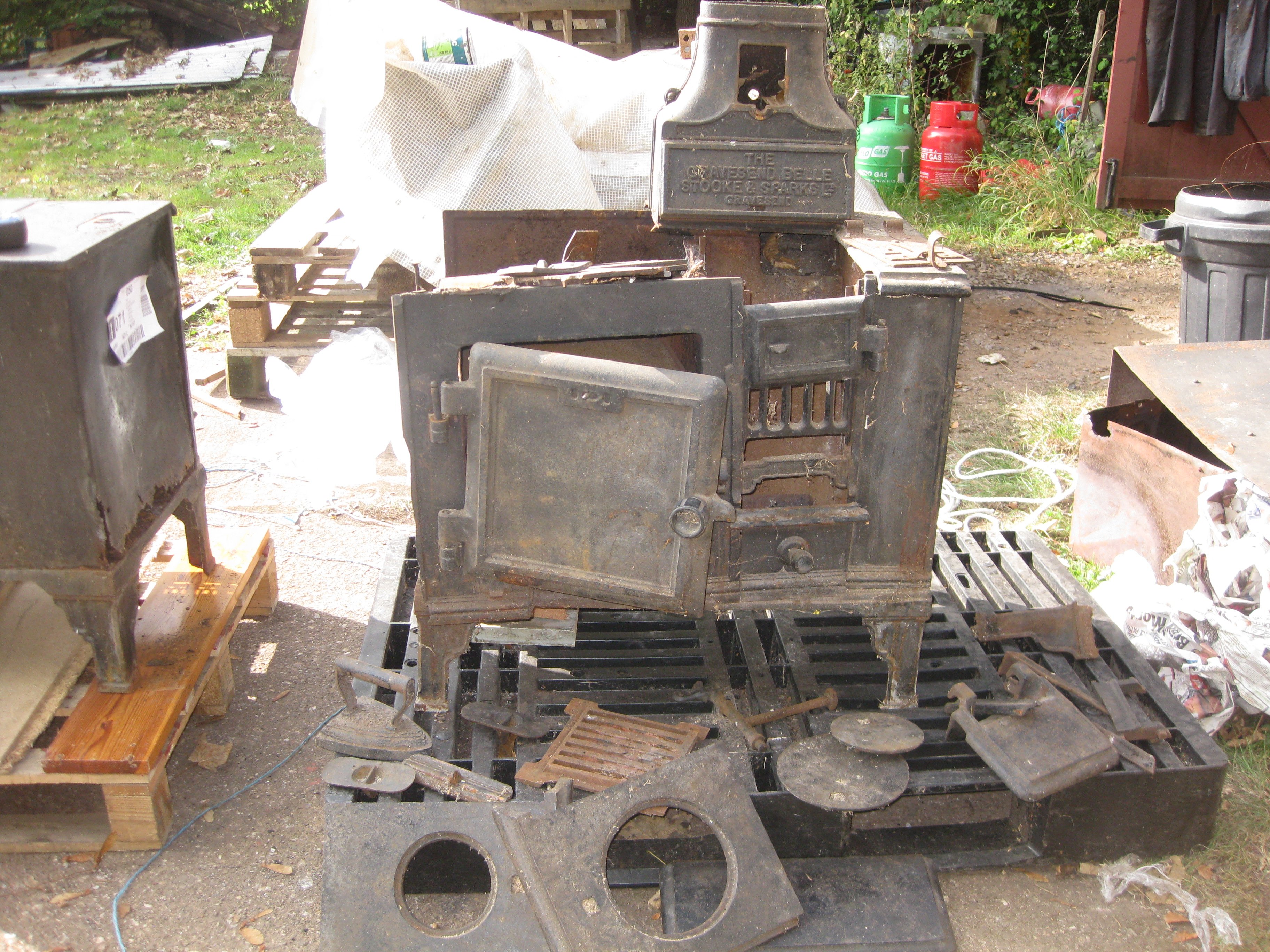
Here’s a caravan that we beleive dates from the 1940s built by an unknown maker. Rach and I worked on this a few summers back doing a large amount of work replacing all the window frames reglazing the windows, building the beds, restoring the oven and converting the gas lamps to electric so that it could be used as a holiday let. The owner has just finished painting it inside and out and its looking great in my opinion. If you are interested in staying the in the caravan do get in touch, it is situated at an ancient farm down a forgotten track right in the hills of Somerset.
If anyone has any information on this caravan we’d also love to hear it.
Author: OliverOsborne
-
1940s Caravan (Unknown maker)
-
Belle Portable restoration
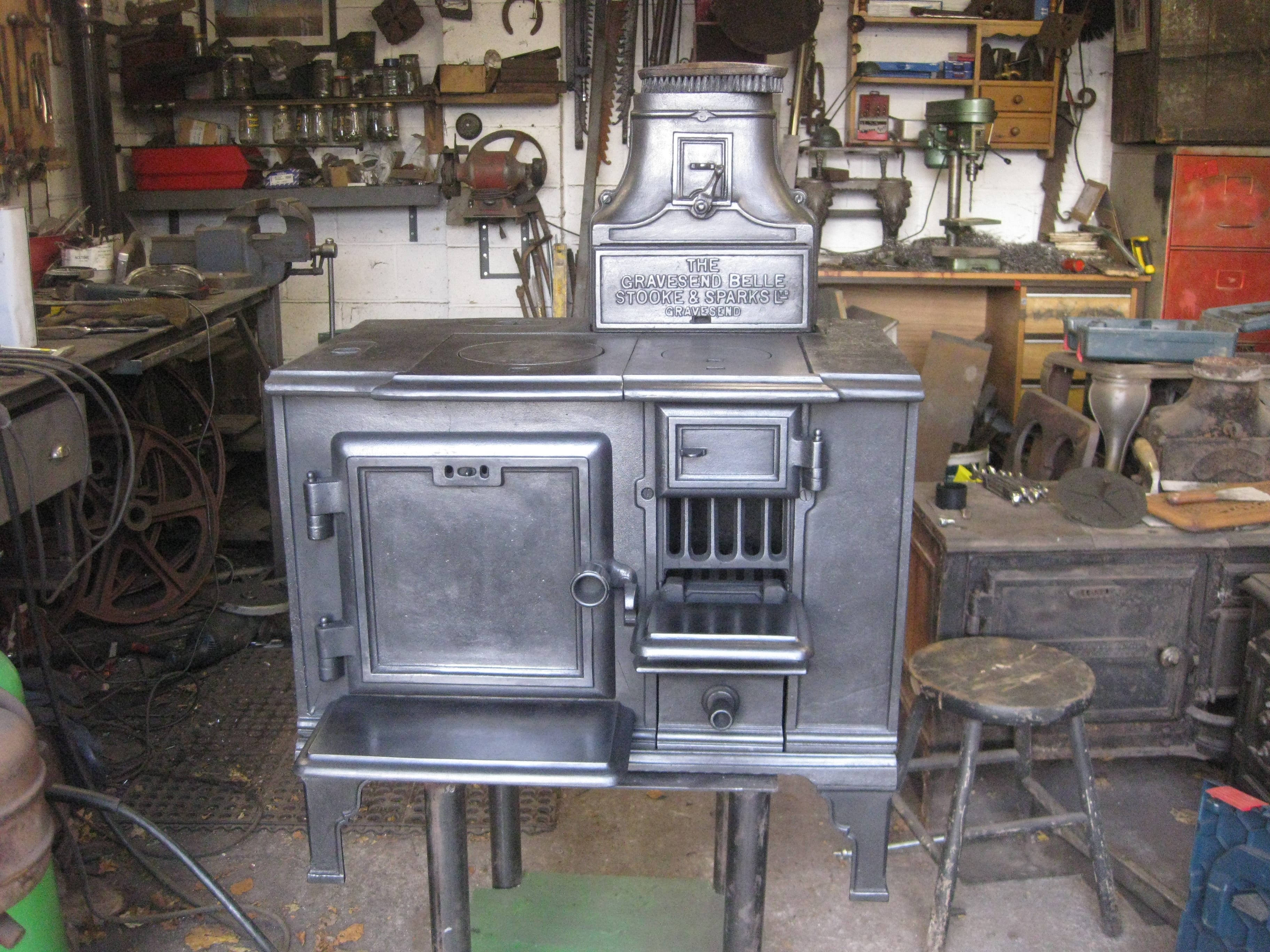
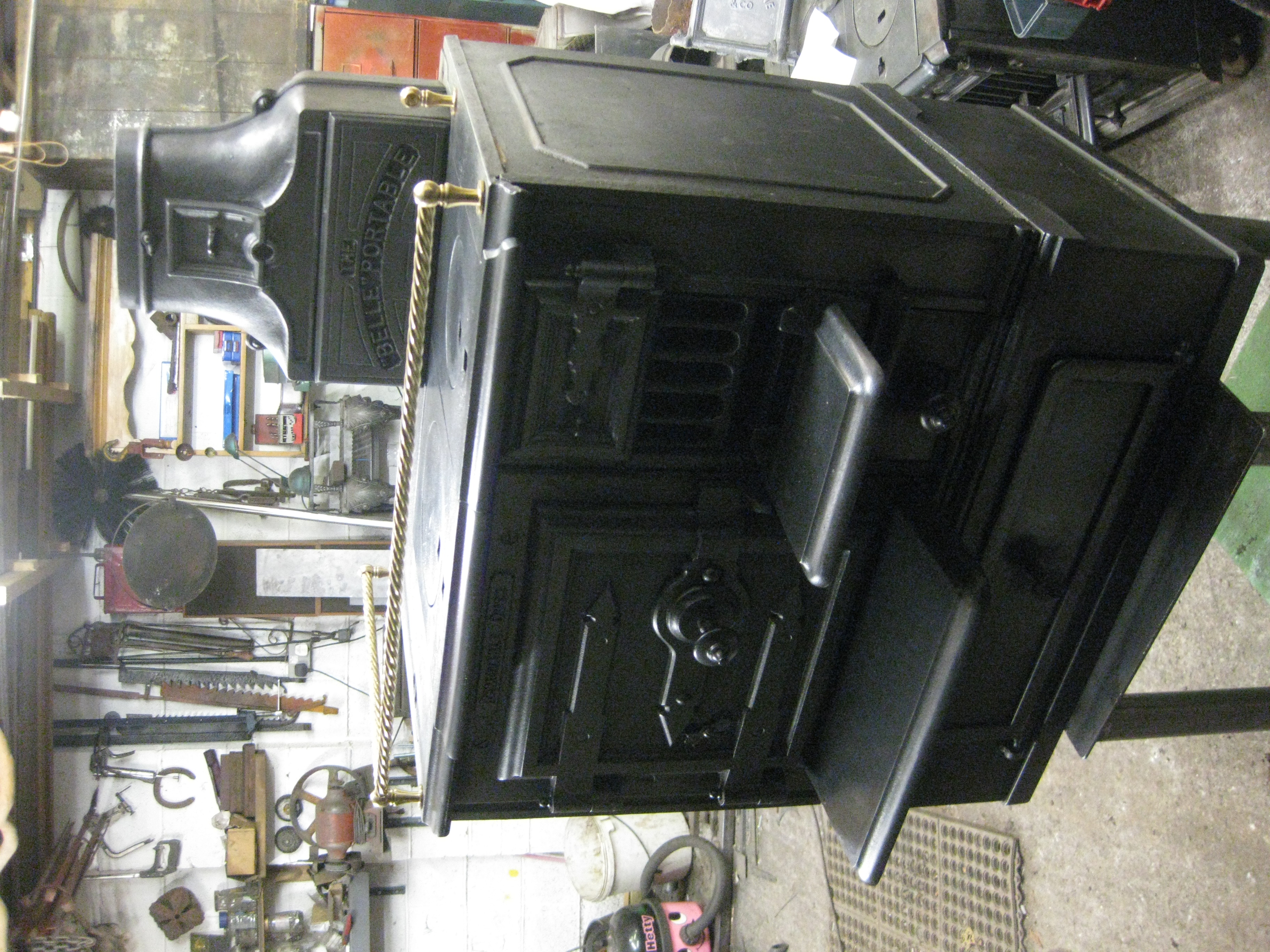
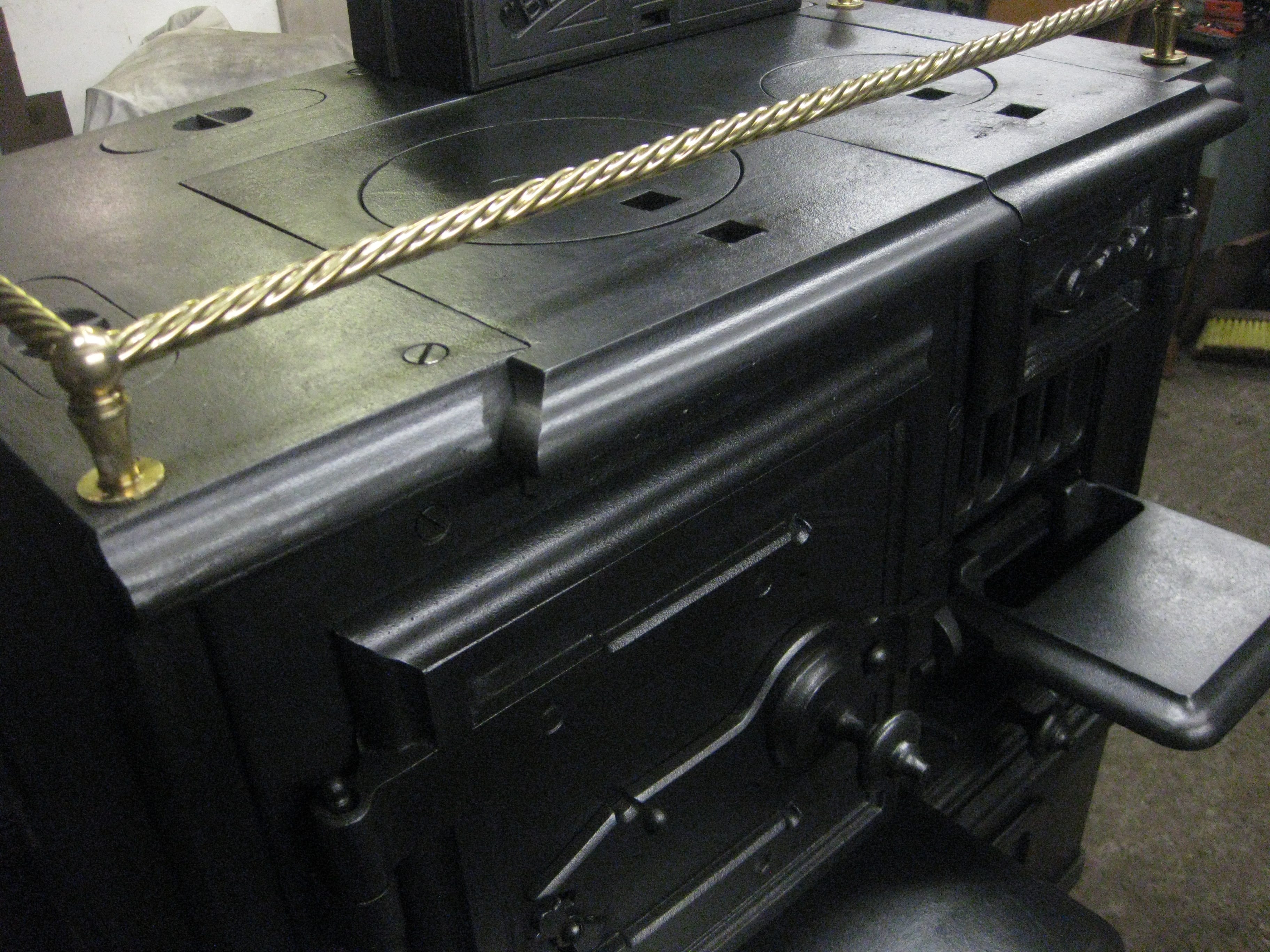
When this Belle Portable came in I was pretty shocked. There was barely a bit on it that wasn’t broken and many of the parts like the top plate and front panel had bits missing and had been broken in several places. The front plate for example had seven separate repairs! One of the cast iron side panels was also missing so a new one had to be cast. The deeper I dug the more problems I came across, it certainly proved to be a real challenge.
The range is now back at home with its owner and being prepared to install. Here’s a ‘before’ and ‘after’ of the range as it arrived to me and moments before it left the workshop. -
Larbert with boiler in its new home!
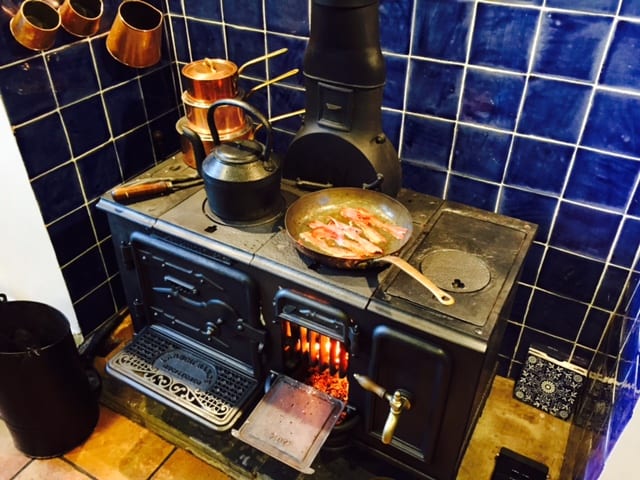
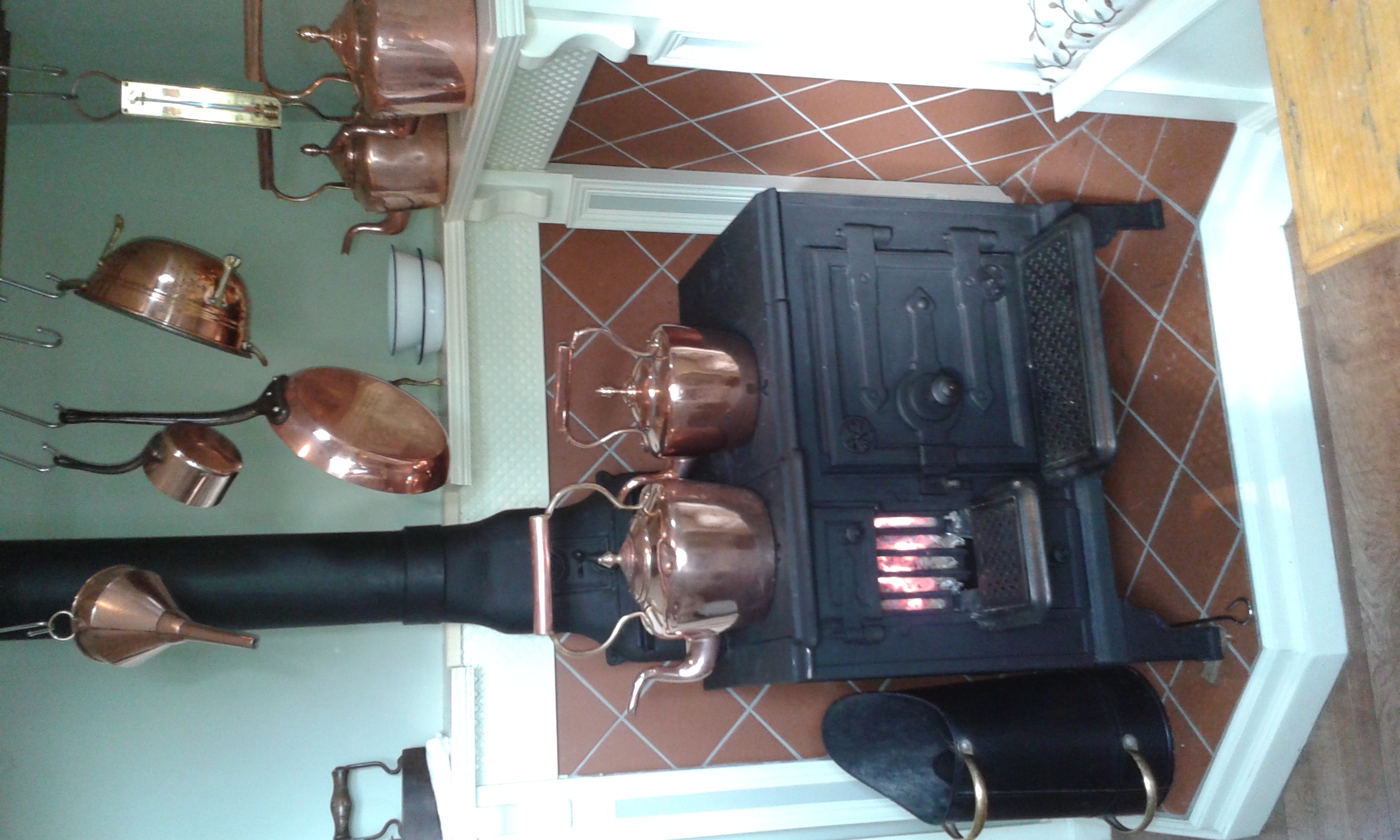
Well the Larbert with boiler sold and is in its new home and its looking grand sat against the blue tiles.
I had an email today with this picture attached showing breakfast simmering on the hob. That night the range cooked Guinea Fowl for dinner and the kettle was bubbling away all day. Now that’s what I like to hear! -
Guidwife narrowboat back cabin stove
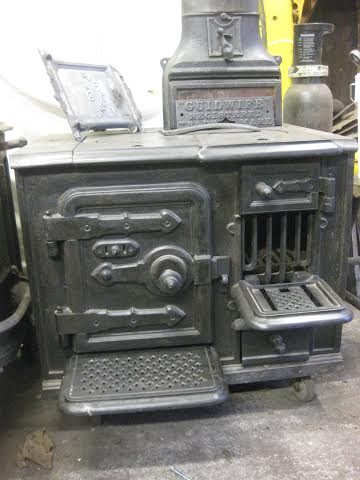
To say these don’t come up very often is an extreme understatement! Here we have a 24″ Guidwife range exactly like those that would have been traditionally used in the back cabin of working narrow boats. It was found in the shed of a house in London near the canal when the owners moved in.
All it is missing is its brass fiddle rail. It’ll be on the bench for restoration soon!

-
Queene Anne Stove or Queenie spare parts
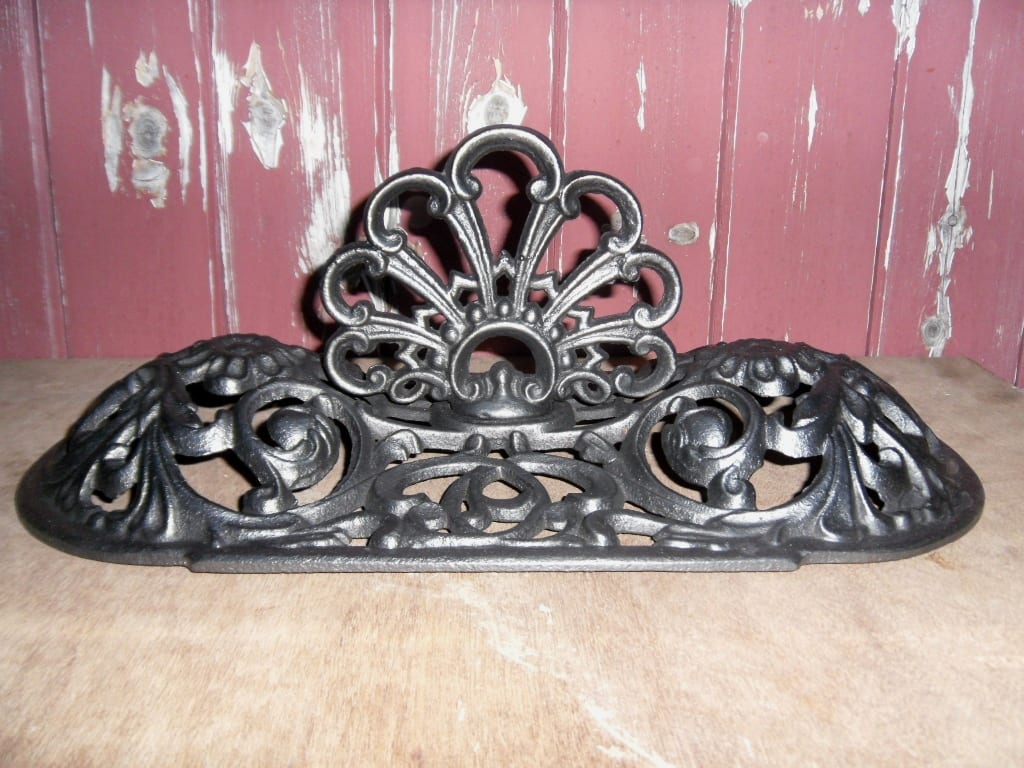
I often get asked about the Queen Anne Stove or ‘Queenie’ for short. It’s a really beautiful little stove that has a real following not only with the gypsy caravan folk. Smith and Wellstood, the original manufactuerers of the stove produced it from the late 19th century to the 1940s so there are still plenty of examples to unearth and restore.
One of the principle parts that goes missing is the decorative hot plate finial so I decided to have a batch cast. There is no modification required to your stove, the piece simply sits on top of the stove when the hot plates are not in use.
I have also had a batch of grates cast as these are commonly burnt out. It’s a very unsual shaped grate and so can be a pain to fabricate. These new ones are exactly the same dimensions as the old ones and simply slot in place fit for years more service!
All items are cast in the Uk from grey iron as they were all those years ago.Click on the ‘Shop’ tab above to read more.
-
Another range fit for service!
Here’s another range beautifully installed on a live aboard boat. I can’t claim the reward for this work but the range has been fitted with one of my adapters. The owner of the range had been looking for someone to make one for nearly a year when they came across the site!
The range is a Guidwife and a model often used on historic boats. -
Very ealry ‘Open’ Range
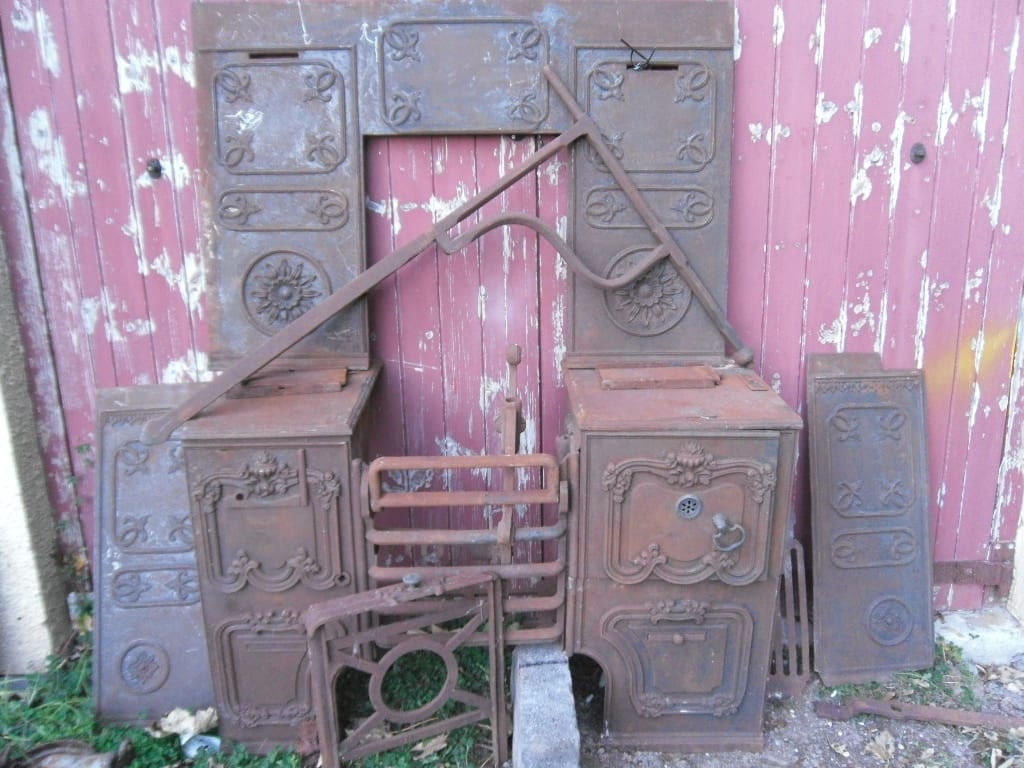
Now here is something that doesn’t come up very often at all. It’s a beautifully cast early ‘open’ range, called such because the firebox was open rather than the fully enclosed ranges produced later in the century. This range bridges the gap between the 18th century open down hearth ranges and the later closed type. Early cooking was preformed in a wrought iron grate, usually with adjustable cheeks with various ancillary parts like a chimney crane, spits and smoke jacks and spit jacks etc to turn them.
Here, various features of the earlier method have been retained like the adjustable cheek (used to alter the size of the fire) and chimney crane. However, the fire now features an oven and hot plates for cooking and the whole is cast into a range with fantastic classical detailing. The cheek is moved via a rack that is wound with a crank handle engaged in a socket to the bottom left of the firebox- a great detail!
I have loosely mocked this range up but will be restoring it at some point early next year unless otherwise requested. Most likely dating from around 1830-1840.