It’s all been very busy here recently and it has taken me this long to get the “Bungalow Belle” blasted, repaired and reassembled. Here is a photo of how it stands at the moment less its vitreous enamel finish. The iron under the enamel was like brand new, having not seen the light of day for nearly a century and it came up really nicely as you can see!

Author: OliverOsborne
-
“Bungalow Belle” Portable range nearly back together
-
Guidwife portable range
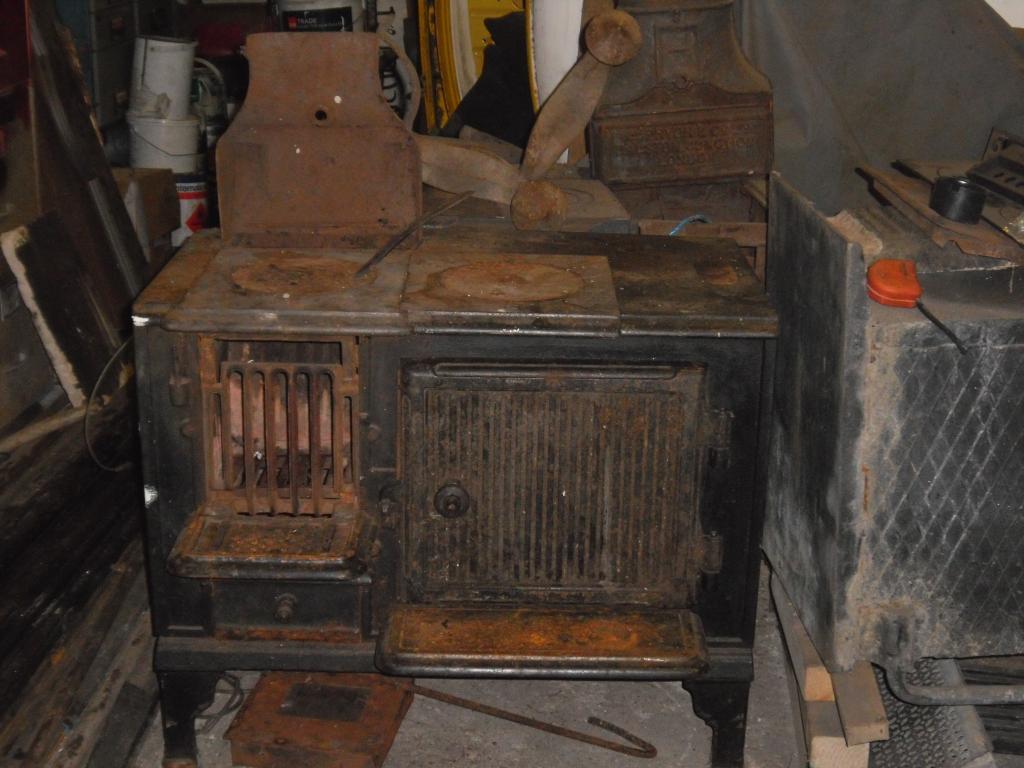
I recently picked up this nice little Guidwife portable range. Guidwife was manufactured at the Caledonia Stove and Iron works of Bonnybridge Scotland that were affiliated with the mighty Smith and Wellstood Ltd and their Columbian foundry of the same location. Of the Guidwife range there were 144 different types with various combinations of ovens, fires, shams and boilers.
This Guidwife is in excellent condition (despite how it appears in the photo) and will be on my to do list in the next month or so. It was found in the staff kitchen of a large Victorian hotel in Oxofrd.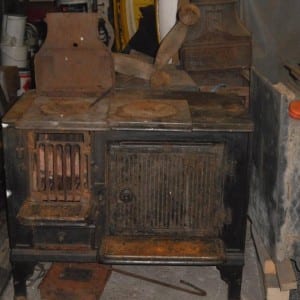
-
Reclaimed Maple Parquet
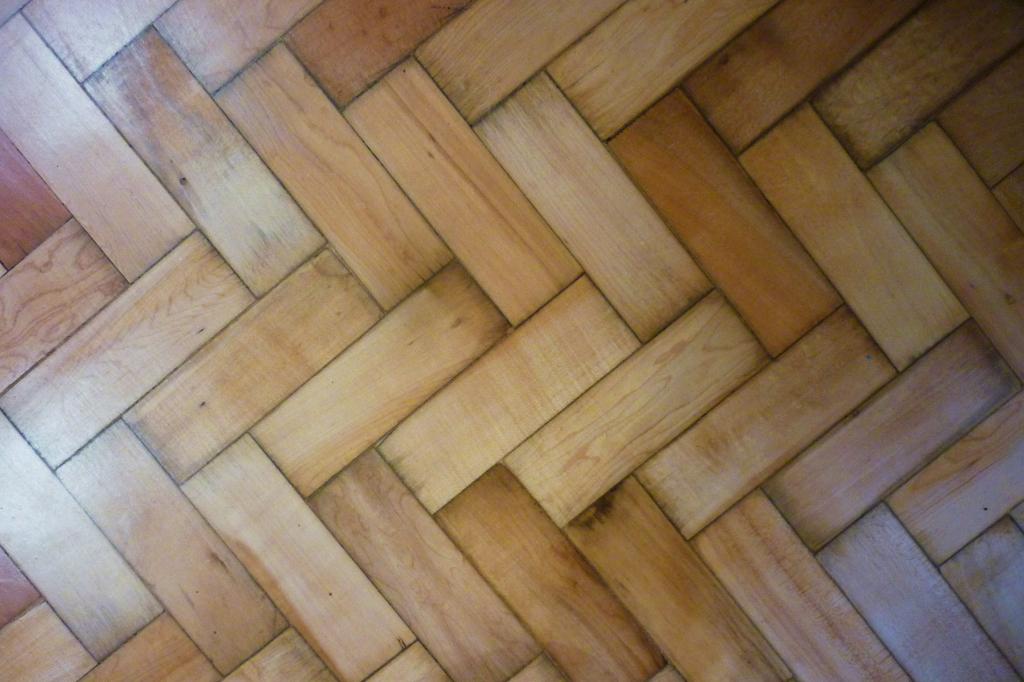
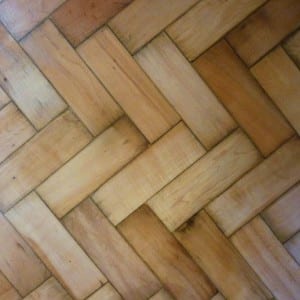
I was going through some photo’s this evening and came across these. It’s a detail from 61m2 of reclaimed Maple parquet that Rach and I restored and laid last year. The blocks came from a Victorian school in the Rhondda valley. Reclaimed parquet is not for the faint hearted, I can’t imagine how many hours we put in when all said and done!
-
Norlond Belle at home
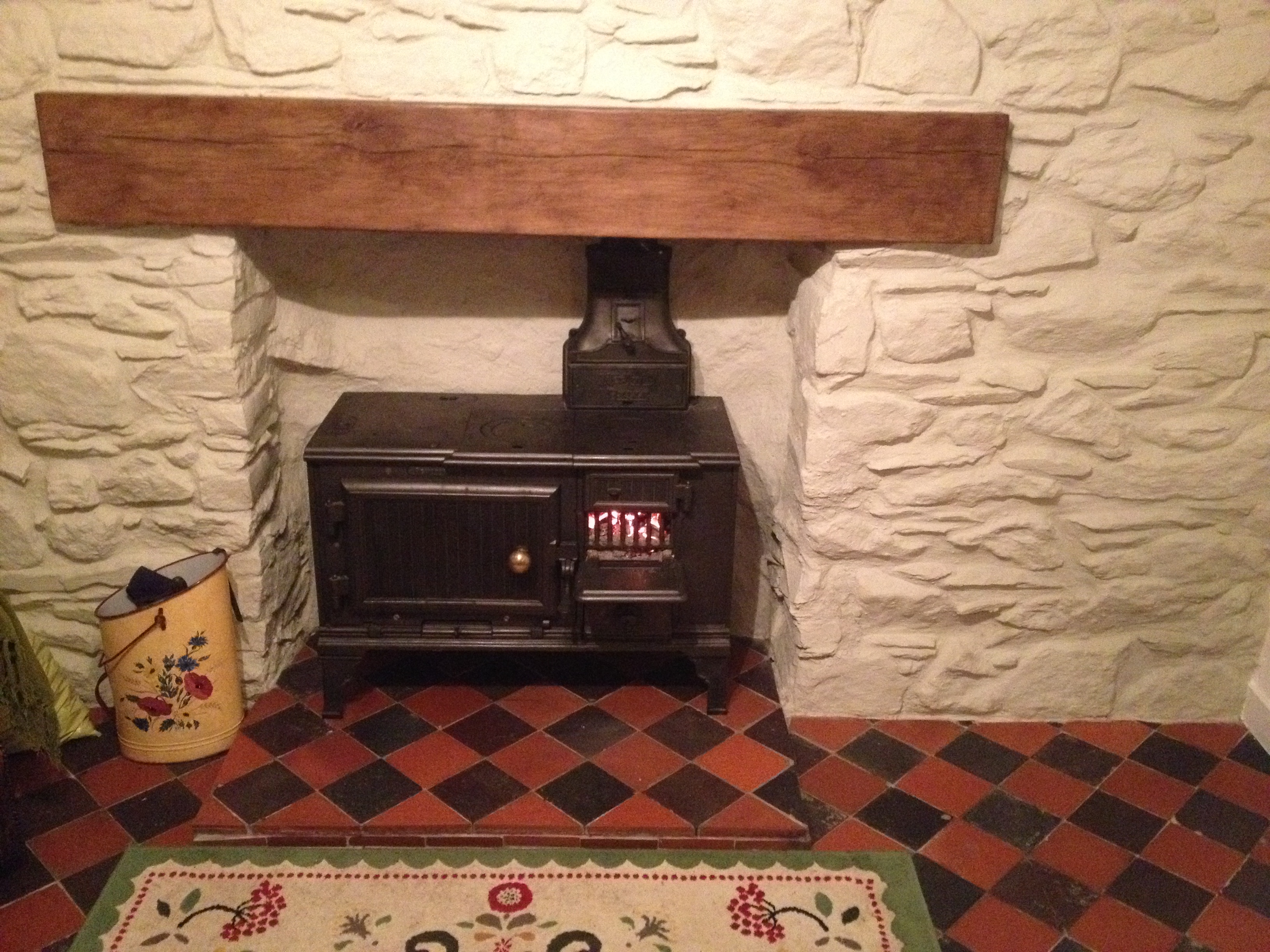
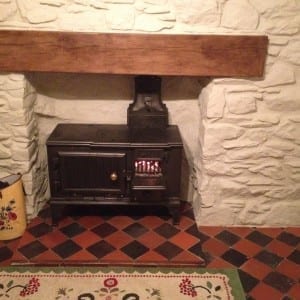
Here is the Norlond Belle portable range in its new home in Wales. Thanks to the new owners for sending me the picture!
-
Georgian Hobgrate
Georgian Hobgrate
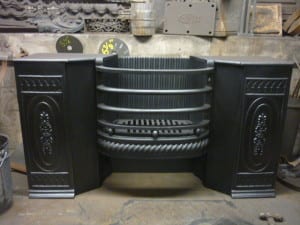
Here’s a photo of a Georgian Hograte that I restored for a company in Bristol. These larger sizes (32″ wide) are getting harder and harder to come across but look great once installed with all the correct masonary.
-
On board the Mayflower
On board the Mayflower
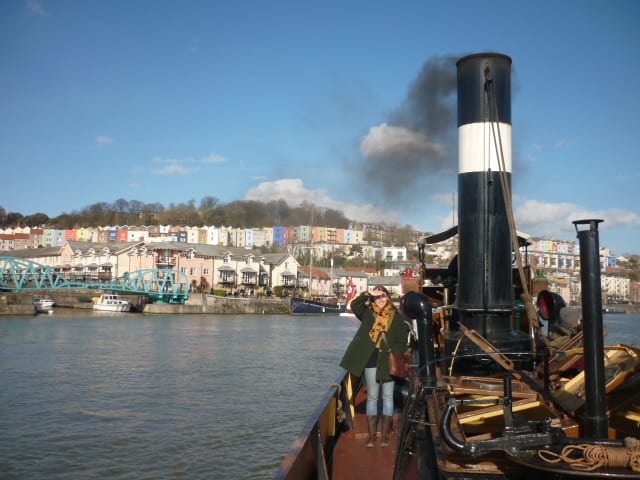
Last weekend we found a few spare hours and got down to Bristol harbour. The familiar smell of coal was in the air and we found the Mayflower moored up and under steam. She’s the oldest steam tug in the world and was built in 1861 and saved from from the scrappy in the late 70’s by a 20 year old lad!
If it had been left to British Waterways she would have been melted down for bean cans years ago.
Trips are £5 per person and she is crewed by volunteers from the ‘M-Shed’. It’s well worth the money and the crew are knowledgable and keen to talk. Check the ‘M-Shed’ website to see when Mayflower is next running.
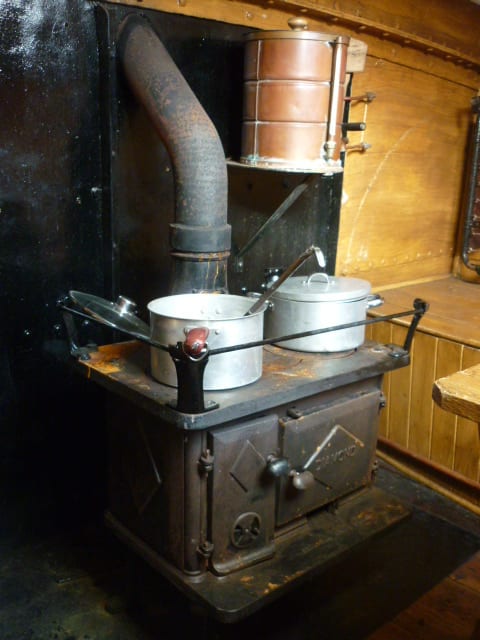
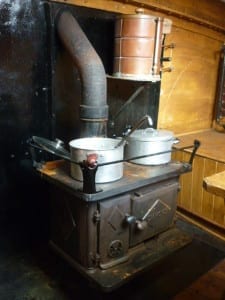
Inside there is a lovely little range from the ‘Colombian’ works of Smith and Wellstood of Bonnybridge, Scotland.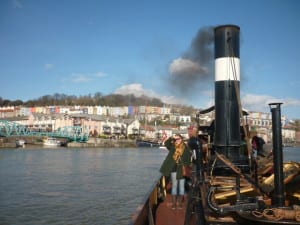
-
Signwriting at Underfall yard, Bristol
Signwriting at Underfall yard, Bristol
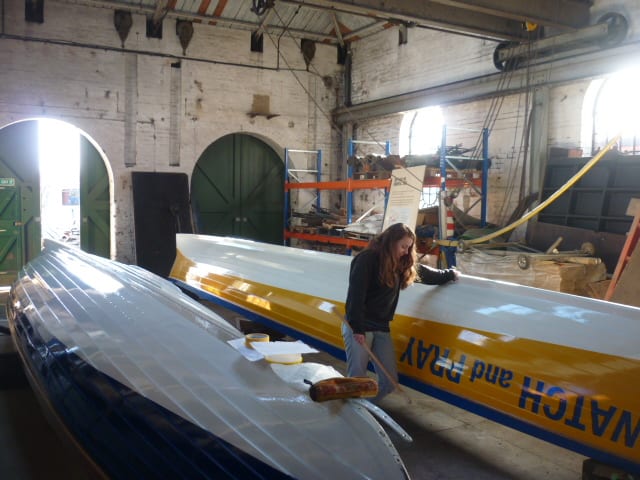
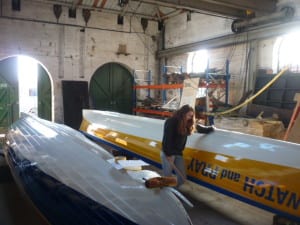
Rach has been down at Underfall boat yard in Bristol this week sign painting the names back on a couple of pilot gigs after their overhall. They’re built of English Elm with dry joints and fixed with copper rivets and they’re quite incredible to see up close.
Here’s a quick history of pilot gigs;http://www.bristolgigclub.co.uk/club-history.html
Underfall yard is an incredible place with lots of history. It’s owned by the city council but there are various boat builders working there embarked on a variety of builds and restos. I’ll be back there again soon as there was far too much for me to take in this morning!
-
Shropshire
Shropshire
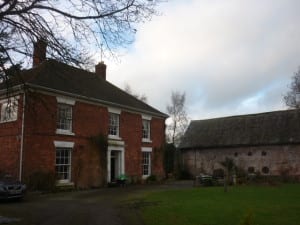
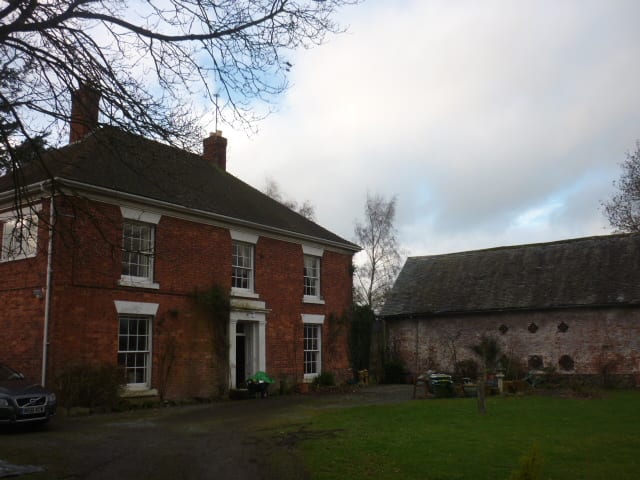
Rach and I have just got back from Shropshire where we were visiting Ricky and Yan who have recently acquired a Georgian farmhouse built in 1815. It’s tucked away up a track off a quiet road and even some locals were unaware of its existence. In its heyday it owned 58 acres of land and was farmed well into the 20th century. Sadly since then it had remained empty but upon inspection it was in pretty good shape for a chap with 200 years under his belt.
By the time we arrived the house had been rewired and the blocked and leaking drainpipes had been sorted so the damp was drying out. The list of jobs here is long so we thought we’d start with tackling the issue of heating first since the house stands on a hill and gets battered by the westerly winds.
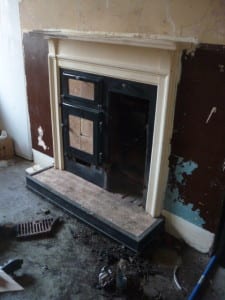
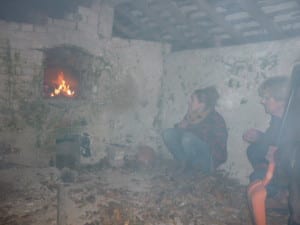
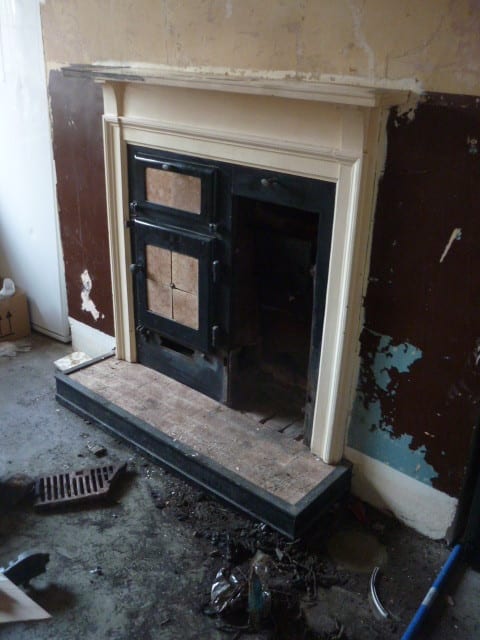
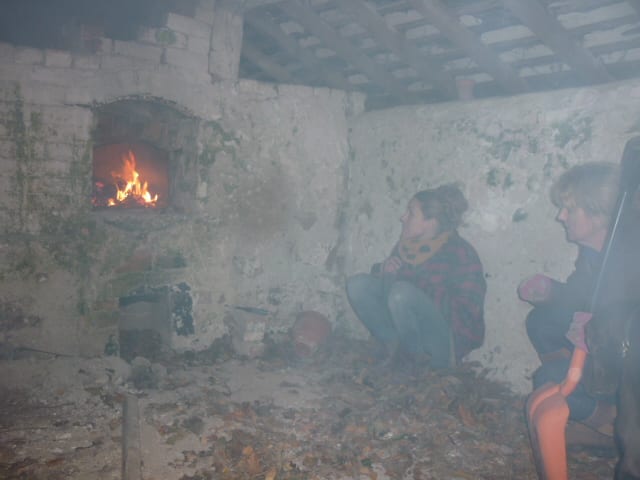
The Georgian open range had gone, presumably replaced by a Victorian closed range and then finally this 1930′s/40′s Yorkist type. Staying true to the houses’ story they have decided to keep it so it requires restoring. The chimney was full of twigs and plastic bags thanks to the efforts of the feathered population nearby!Ricky found so local documents dating back to the 19th century that dictate that the owners of this house had to donate 12 loafs of bread a week for alms to the church. Out the back of the scullery we came across the bread oven in question. It’s chimney had been taken down and I reckon this was because the later closed cooking ranges of the Victorian period had bread ovens of their own so when the original open type was replaced they no longer required the outside oven. We cleared out all the years of rubbish that had built up in and around it and on the first night fired it up, perhaps for the first time in over 100 years! We cooked some garlic bread in the oven whilst sharing a few bottles of beers. I’ll rebuild the stack later this year and restore the ironwork so Ricky and Yan can use it as a pizza oven.
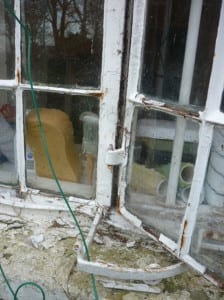
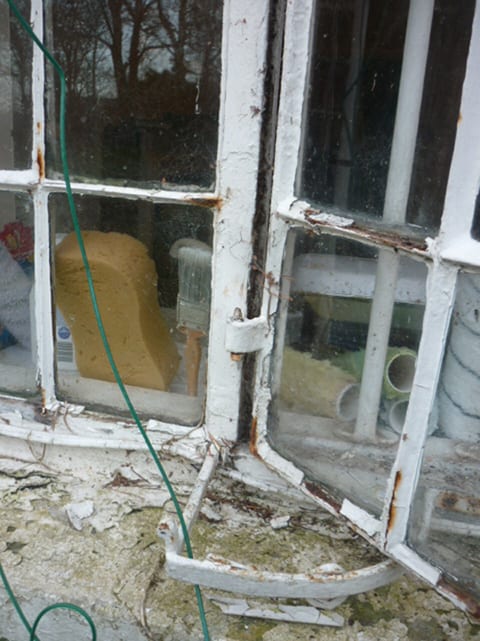
Georgian properties all tend to have a grand facade and this one is no different. The front living rooms would have had all the finest furnishings; marble surrounds, hard wood floors and carved painted pine shutters and sash windows. By comparison the rear of the house where the scullery and kitchen stand has flag stone floors, lime washed walls and iron windows. It is these windows that require attention. Ricky and Yan have spotted this same type in local villages and it turns out they are fairly unique to the local area. They’ll require removing, stripping, painting and glazing using as much of the original glass as possible. There are also a few missing parts to replace.
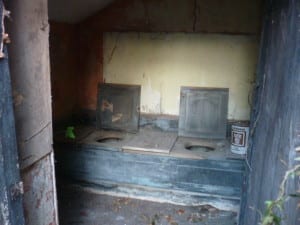
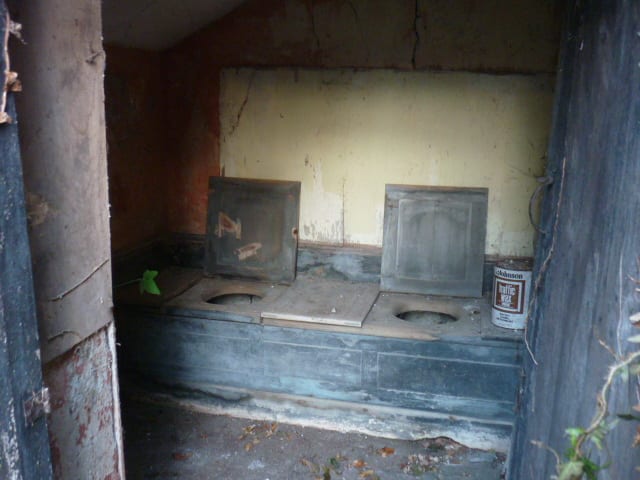
Last but not least is the ‘water closet’ still complete with couple’s thunderbox!We’re back off to Shropshire in about a month so keep your eyes peeled for progress.